Breaking stigma, building support

Psoriasis looks different on African skin tones. Together, we educate, support, and advocate for dignity and care.

Youth advocacy and community support

What is psoriasis?

Core overview

Psoriasis is a chronic, immune-mediated disease that affects the skin, joints, and overall health. It is not contagious.

On African skin tones, lesions may appear purple, dark brown, or grey, and scaling may look silvery or whitish.

  • Healing often leaves darker or lighter marks.
  • Visible symptoms can affect confidence and mental health.
  • Early diagnosis matters for long-term outcomes.
Types and related impacts
  • Plaque psoriasis - thick, raised patches and the most common form.
  • Guttate psoriasis - small, drop-shaped spots, often after infections.
  • Inverse psoriasis - smooth lesions in skin folds.
  • Pustular psoriasis - pus-filled blisters.
  • Erythrodermic psoriasis - widespread redness or darkening, severe and rare.
  • Beyond the skin - it can lead to psoriatic arthritis, cardiovascular disease, and mental health challenges.

2026 theme: Youth

What is IFPA?

The International Federation of Psoriasis Associations (IFPA) is the global umbrella organization representing patient groups for psoriasis and psoriatic arthritis. Each year, IFPA sets a theme for World Psoriasis Day on October 29 to unite millions worldwide in awareness, advocacy, and action.

A theme is a global focus area chosen to highlight urgent issues in psoriatic disease. In 2026, the theme is Youth, ensuring that the experiences of young people are heard and addressed.

Why youth?
  • Stigma in schools can lead to bullying, isolation, or misunderstanding.
  • Young adults entering work may encounter discrimination or lack of accommodation.
  • Mental health struggles such as anxiety and low self-esteem are common.
  • Limited access to advanced therapies makes disease management harder.
IFPA global actions

Youth voices campaign, policy advocacy, digital engagement, and research on education, employment, and mental health.

PAK's response

Safe spaces, school advocacy kits, peer support programs, and workshops for parents and caregivers.

"

At school, I used to hide my arms. Now I speak openly about psoriasis, and my friends understand.

17-year-old patient, Nairobi

Living with psoriasis

Psoriasis is more than a skin condition. It affects daily life, confidence, and overall health, and patients can take practical steps to manage symptoms and improve wellbeing.

Skincare
  • Keep skin moisturized with gentle, fragrance-free creams.
  • Avoid harsh soaps and hot water.
  • Protect against injury that may trigger new lesions.
Lifestyle
  • Eat a balanced diet rich in fruits, vegetables, and whole grains.
  • Manage stress through prayer, meditation, relaxation, or exercise.
  • Regular physical activity supports joint health.
Triggers
  • Infections, stress, alcohol, smoking, and some medications may worsen symptoms.
  • Track flare-ups to identify personal triggers.
On African Skin Tones
  • Lesions may appear purple, brown, or grey instead of red.
  • Healing may leave darker or lighter marks.
  • These changes are common, though they can affect self-esteem.
Medical Care
  • Regular check-ups with dermatologists and rheumatologists are essential.
  • Ask about psoriatic arthritis screening if you have joint pain or stiffness.
  • Early treatment can prevent complications and improve quality of life.

Awareness & outreach

Awareness and outreach are essential to change perceptions and ensure patients feel supported.

Myth Busting

Psoriasis is not contagious and is not caused by poor hygiene. Public campaigns challenge harmful myths and promote accurate information.

Community Talks

Outreach in schools, workplaces, health fairs, and community forums creates understanding and reduces discrimination.

Media Campaigns

Patient voices on radio, TV, and social media normalize conversations and show psoriasis on African skin tones.

National Awareness Days

World Psoriasis Day on October 29 and youth-focused campaigns help amplify reach across Kenya.

Patient support

Living with psoriatic disease can feel isolating, but support systems make a huge difference.

Peer Support Groups

Safe spaces for patients to share experiences, learn from each other, and access peer mentors in person and online.

Caregiver Guidance

Workshops on treatment routines, school challenges, emotional support, and referral pathways.

Mental Health Resources

Connections to counselling services, peer networks, and conversations about anxiety, depression, and resilience.

Youth & Parent Spot

Dedicated programs for young patients and their families to reduce isolation and build confidence.

Education & advocacy

Beyond patient support, PAK works to educate communities and advocate for better policies so psoriatic disease is understood, treated fairly, and prioritized in health systems.

Educational Materials

Easy-to-read brochures and toolkits for patients, families, and schools, including stigma reduction and treatment information.

Professional Training

Workshops for doctors, nurses, and pharmacists focused on African skin tones, early diagnosis, and psoriatic arthritis screening.

Policy Advocacy

Engaging government and insurance providers to improve access to treatment, affordable biologics, and better national prioritization.

These organizations anchor PAK's credibility and show patients that Kenyan advocacy is supported worldwide.

Become a Member

Why stories matter

Stories are powerful. They break stigma, empower patients, and help communities understand that psoriasis is more than a skin condition.

  • Representation: Through the People of Colour campaign, PAK showed the world how psoriasis appears on darker skin tones and why visibility matters.
  • Empowerment: Sharing lived experiences helps patients speak openly, advocate for better care, and inspire others.
  • Education: Policymakers, doctors, and families learn from real voices, not just medical definitions.
  • Solidarity: Global campaigns connect Kenyan patients to a wider movement for equity and dignity.
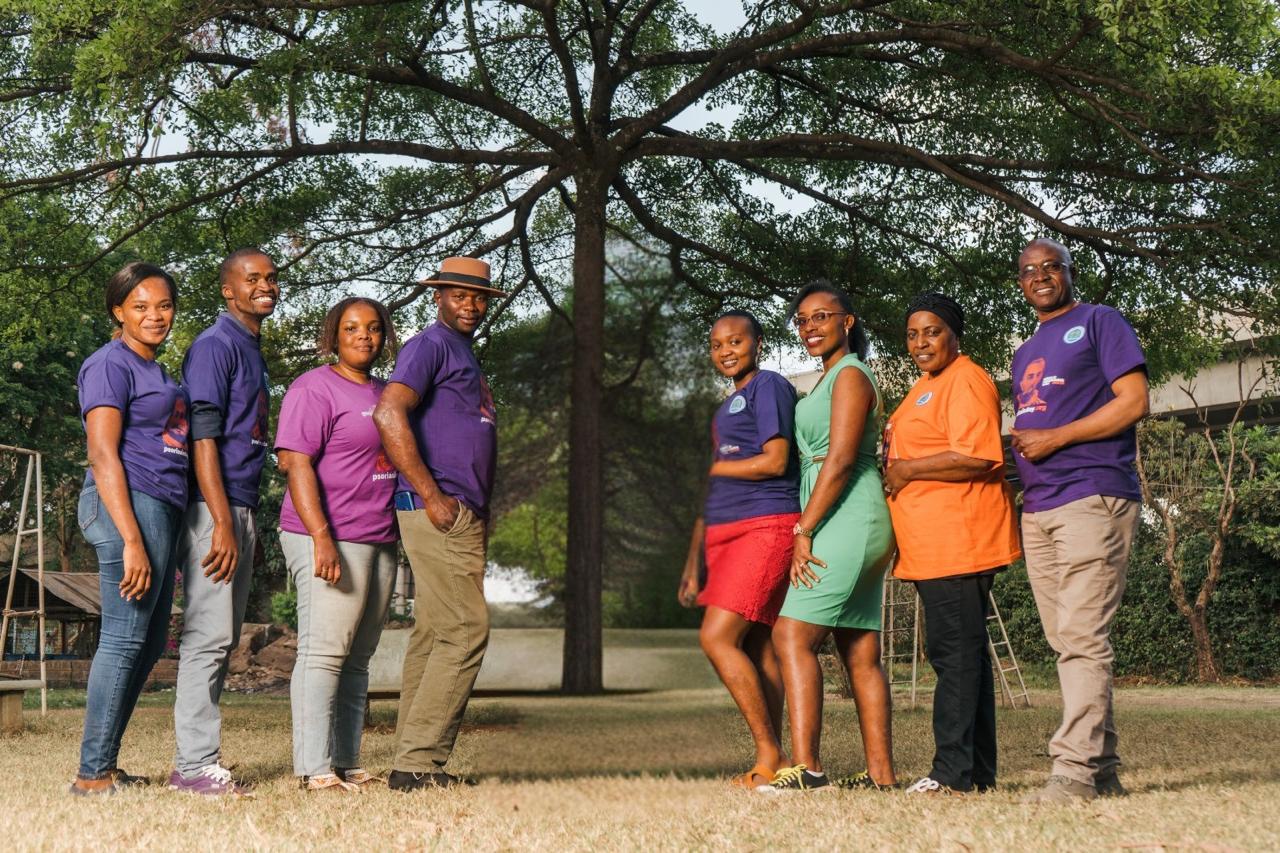
PAK members in a storytelling and awareness moment

Real stories of resilience

Patient storytelling and BBC style feature visual
Featured story

Nyawira Munyiri - Psoriasis Association of Kenya

"Psoriasis spread to 96% of my body. For years, I felt isolated. Through PAK, I found community and hope and now my story is part of a global conversation."

  • Nyawira has lived with psoriasis for over 20 years, facing stigma and misdiagnosis.
  • Her testimony was featured in a BBC programme highlighting how psoriasis looks different on darker skin tones.
  • She advocates for visibility, equity, and dignity for patients of colour.
  • Her story connects local Kenyan experiences to global campaigns like People of Colour.
Get involved

Share your story with PAK.

Get involved

Join a support group.

Get involved

Volunteer for awareness campaigns.

Get involved

Partner with us to amplify patient voices.

Voices that move advocacy

PAK's campaigns bring psoriatic disease out of the shadows, from community talks in Kenya to global solidarity initiatives.

Outreach
  • Media campaigns on radio, TV, and social media amplify patient voices nationwide.
  • Domino Effect 2025 showed how psoriasis triggers a chain reaction of physical, mental, and social challenges.
  • Kenyan patient testimonies highlighted the African experience in global advocacy spaces.
Global partnerships
  • Dr. Hoseah Waweru Solidarity Fund (IFPA).
  • PsorAfrica Alliance.
  • GlobalSkin Impact Fund.
  • People of Colour campaign.

Member meetings and support

Beyond campaigns, PAK provides direct support to members so patients and caregivers feel connected and empowered.

Monthly member meetings

Patients gather to discuss treatment challenges, stigma, and coping strategies.

Guest speakers

Dermatologists, psychologists, and advocacy leaders bring expertise into community spaces.

Peer support circles

Small group sessions offer safe spaces to talk about flare-ups, mental health, and family life.

Social media and WhatsApp

Active WhatsApp groups connect patients across Kenya for daily tips, encouragement, and treatment updates.

Community connection

Meetings often link to larger campaigns such as World Psoriasis Day, keeping advocacy alive between events.